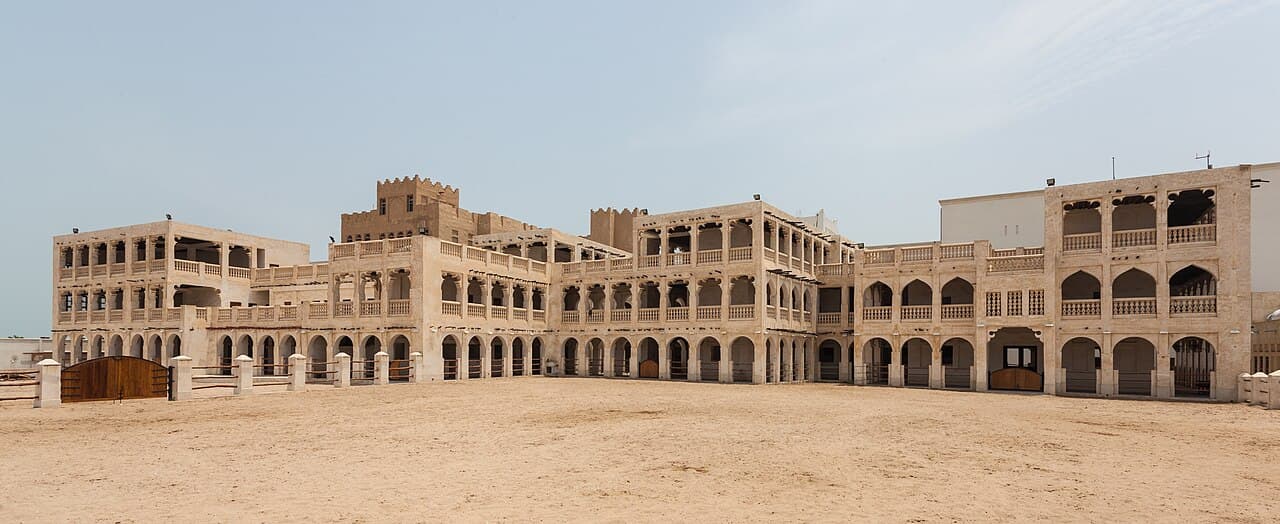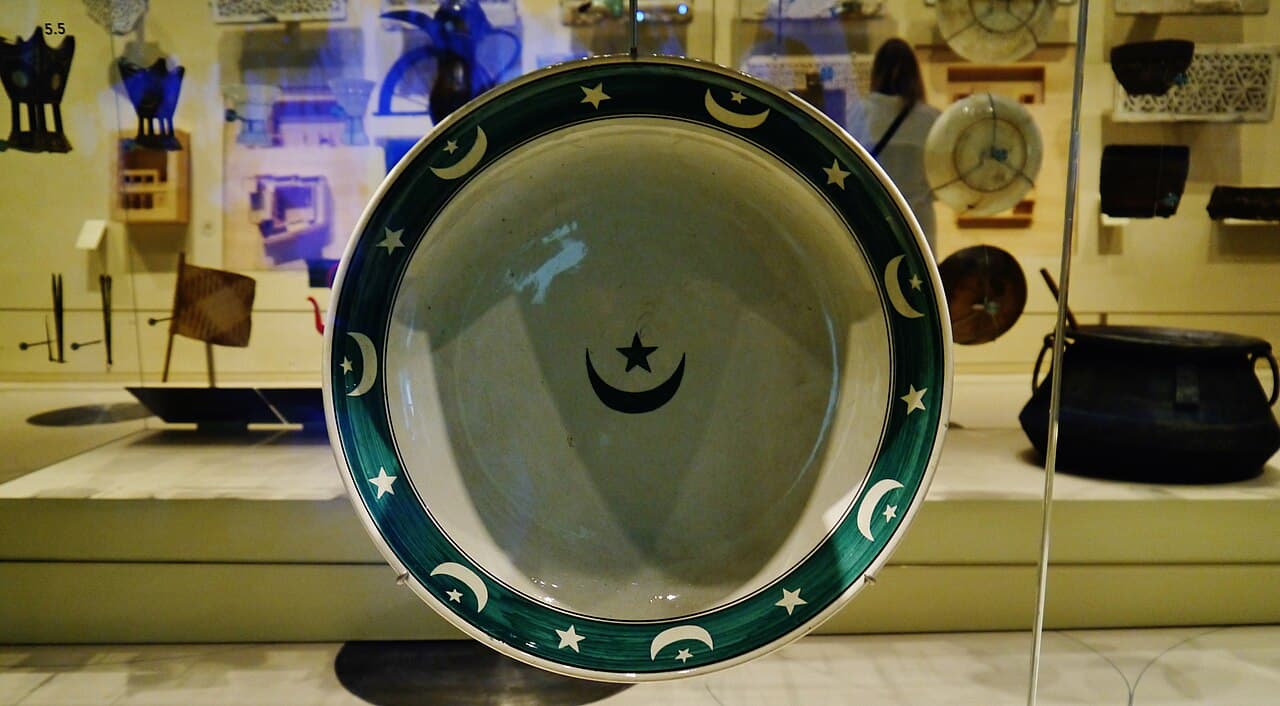
Msheireb is not simply an old district preserved inside a new one. Its central argument is visible in four restored houses embedded within a major downtown regeneration: which memories should survive urban transformation, and how should they speak to a contemporary city? The museums answer with subjects that are domestic, economic, architectural and morally difficult.
Read the district through those houses before judging it as either heritage or redevelopment. Mohammed Bin Jassim House examines the changing neighbourhood; Radwani House follows family life; Company House centres early oil workers; Bin Jelmood House addresses slavery and human exploitation. Together they complicate the polished streets outside.
At a glance
Start here
- The four houses present different histories and should not be collapsed into one heritage label.
- Mohammed Bin Jassim House is the key to reading the surrounding redevelopment.
- Company House and Bin Jelmood House move the story beyond architecture into labour and power.
- The most useful visit compares museum narratives with the new public realm outside.
01
Regeneration is the main exhibit
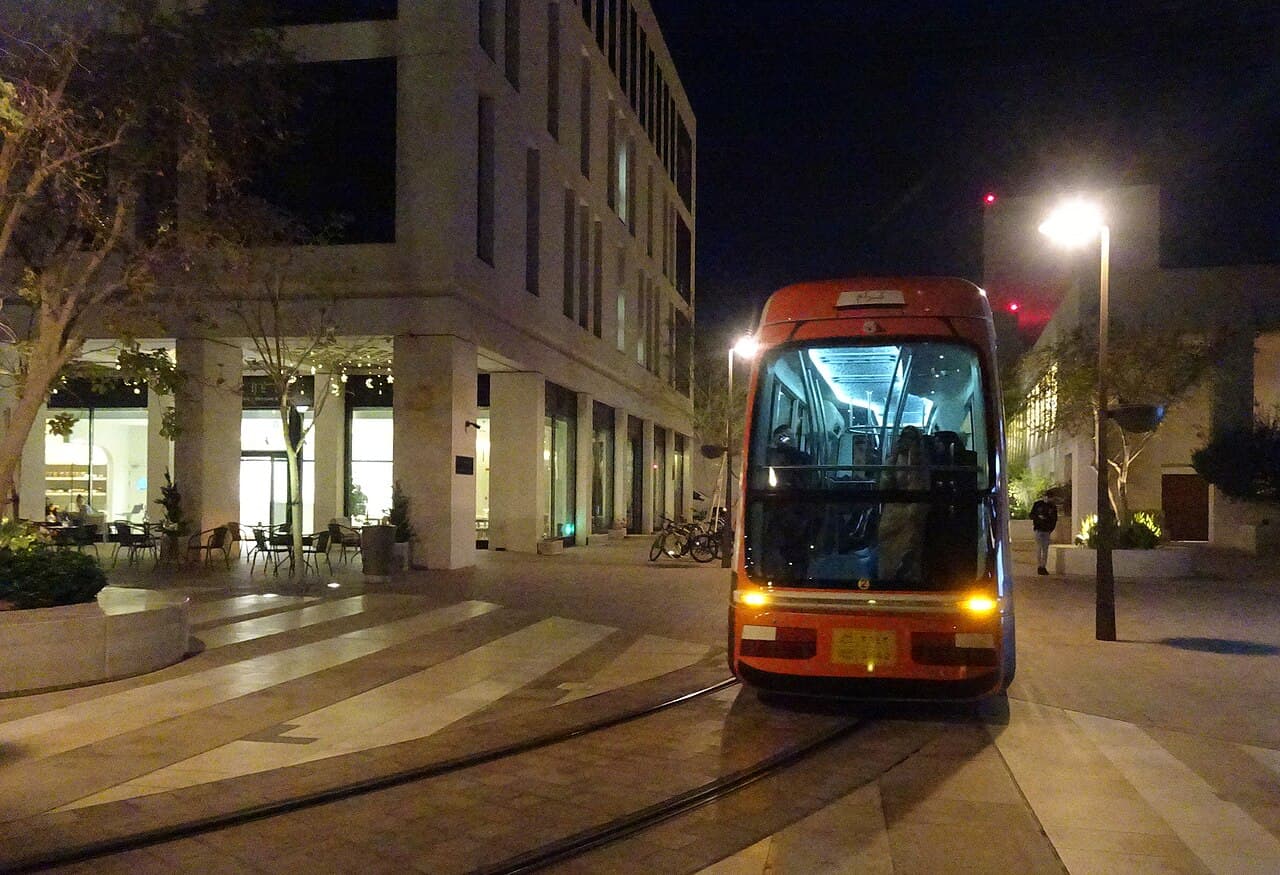
Msheireb Museums describes the four houses as part of the regeneration of Doha's old commercial centre. That makes their location inseparable from their content. Visitors move between restored courtyard buildings and a new downtown of residences, hotels, offices, shops and cultural spaces. The contrast is planned, but it is still open to interpretation.
Ask what has been preserved besides façades. Street alignment, courtyards, scale, shade and the language of materials can carry memory, while new uses change who occupies a district and why. The museums provide evidence and testimony; the streets outside show the contemporary proposition. Neither should be read alone.
Sources: Msheireb Museums; Visit Qatar02
Mohammed Bin Jassim House explains the site
Built by Sheikh Mohammed Bin Jassim Al-Thani, son of the founder of modern Qatar, this house deals directly with Msheireb's past, present and proposed sustainable future. Its Echo Memory Art Project uses objects found during excavation, turning construction debris and overlooked material into evidence of lives that occupied the site before redevelopment.
The house also explains the district's narrow sikka alleyways and baraha, the open-air square where lanes converged. Former residents recall early hotels, banks, pharmacies and cafés. Those details help a visitor look outside with better questions: where has the old street logic been retained, and where has a new commercial logic replaced it?
- Look for excavated objects as evidence, not decoration.
- Notice how alleyways meet larger public spaces.
- Compare remembered commercial landmarks with today's downtown uses.
03
Radwani House makes change domestic
Radwani House was first built in the 1920s between Al-Jasrah and Msheireb. Its subject is traditional Qatari family life and the ways domestic routines changed over time, particularly with oil wealth and electricity. This makes national transformation legible at the scale of rooms, household objects and relationships rather than ministries or skylines.
The house also hosted the first archaeological excavation in central Doha, which recovered material offering clues about daily life. Pay attention to what domestic archaeology can and cannot reveal. Objects show use and change, while oral memory supplies feelings, habits and relationships that a floor plan alone cannot hold.
Sources: Msheireb Museums04
Company House centres workers
Company House occupies a building once used as the headquarters of Qatar's first oil company. Its story focuses on pioneering Qatari petroleum workers and their families, including the difficult journey to Dukhan and the tools and appliances introduced by the company. Oil appears here through labour, separation and household change.
That perspective matters in a city where the outcome of hydrocarbon wealth is visually obvious but the early work behind it is easier to overlook. Listen for individual voices and distinguish memory from a simple progress narrative. The exhibit asks who travelled, who waited in Doha, and how wage work altered family expectations.
Sources: Msheireb Museums05
Bin Jelmood House refuses easy nostalgia
Bin Jelmood House examines enslavement across civilizations, the trade in enslaved people across the Indian Ocean world, the contributions of formerly enslaved people and the persistence of modern human exploitation. Its ambition is explicitly tied to awareness and abolition, so it should not be treated as a decorative heritage-house stop.
Approach the material with time and without turning suffering into spectacle. The wider Msheireb visit may celebrate recovered urban form, but this house demonstrates why the past cannot be reduced to attractive courtyards and craft. It places coercion, movement and unequal power inside the same regional history as trade and prosperity.
Sources: Msheireb Museums06
The four houses change one another
Seen together, the houses prevent a single story from dominating. Mohammed Bin Jassim House frames place and redevelopment; Radwani House supplies domestic time; Company House follows labour into the oil era; Bin Jelmood House examines exploitation and inherited inequality. Each corrects what would be missing if only one narrative survived.
This structure also offers a better way to read modern Doha. A new skyline is not merely design; it is connected to resources, labour, migration, family change and institutional choices about memory. Msheireb's value lies in making those connections walkable within a small area, even when the visitor disagrees with how the redevelopment resolves them.
Sources: Msheireb Museums; Msheireb Museums; Msheireb Museums; Msheireb Museums; Msheireb Museums07
Visit with two comparisons
Inside, compare the kinds of evidence each house uses: excavated objects, architecture, oral history, audiovisual testimony, tools and domestic material. Outside, compare the restored houses with Barahat Msheireb, Al Kahraba Street and the larger downtown buildings. Visit Qatar identifies Msheireb station as the district's metro access point and Souq Waqif as an adjacent area.
Do not force all four houses into a rushed hour. Choose the house most relevant to your central question, add one that challenges it, and confirm current opening and visitor arrangements through Msheireb Museums. End in the public realm with a note: which part of the past became visible, and which part still depends on institutional interpretation?
- Evidence comparison: objects, voices, rooms and excavation.
- Urban comparison: sikka, baraha, restored house and new block.
- Ethical comparison: celebration of change against histories of labour and coercion.
Useful answers
Reader questions
What are the four Msheireb Museums houses?
They are Mohammed Bin Jassim House, Radwani House, Company House and Bin Jelmood House. Their subjects are the changing district, family life, early petroleum workers, and slavery and human exploitation respectively.
Sources: Msheireb Museums; Msheireb Museums; Msheireb Museums; Msheireb Museums; Msheireb MuseumsWhich house best explains the redevelopment outside?
Mohammed Bin Jassim House most directly connects the old district, excavated objects, alleyways and public squares with Msheireb Downtown's present and future. It is the strongest orientation before walking the new neighbourhood.
Sources: Msheireb MuseumsIs Bin Jelmood House suitable as a quick heritage stop?
Its subject is enslavement, the Indian Ocean slave trade, formerly enslaved people's contributions and modern exploitation. Give it reflective time and do not approach it as picturesque background.
Sources: Msheireb MuseumsHow does the metro fit a Msheireb visit?
Visit Qatar identifies Msheireb station, served by the Red, Green and Gold lines, as the nearest station. The district is also adjacent to Souq Waqif, but confirm the exact museum entrance and current opening before setting a tight route.
Sources: Visit QatarRead the evidence
Sources and further reading
These sources support the relevant sections above. Plans and comparisons are editorial suggestions. Check operators for current arrangements.
- About - Msheireb Museums ↗Msheireb Museums · Accessed 14 September 2026
The four-house museum concept and its role in regenerating Doha's old commercial centre.
- Mohammed Bin Jassim House - Msheireb Museums ↗Msheireb Museums · Accessed 14 September 2026
The house's builder, Echo Memory project, sikka and baraha interpretation, and redevelopment theme.
- Radwani House - Msheireb Museums ↗Msheireb Museums · Accessed 14 September 2026
The house's 1920s origin, domestic-life focus, oil and electricity changes, and archaeological excavation.
- Company House - Msheireb Museums ↗Msheireb Museums · Accessed 14 September 2026
The former oil-company headquarters and its account of early Qatari petroleum workers and families.
- Bin Jelmood House - Msheireb Museums ↗Msheireb Museums · Accessed 14 September 2026
The museum's treatment of enslavement, the Indian Ocean world, abolition and modern exploitation.
- Msheireb Downtown Doha | Visit Qatar ↗Visit Qatar · Accessed 14 September 2026
The new district's mixed uses, public spaces, adjacency to Souq Waqif and metro access.