A strong Doha museum day starts with subject matter, not proximity. The National Museum of Qatar tells the country's story; the Museum of Islamic Art crosses regions and centuries through objects; Mathaf examines modern and contemporary art of the Arab world; and 3-2-1 treats sport as history, culture and participation. These are different intellectual experiences.
Choose one museum for depth or two for deliberate contrast. Three major museums usually means sacrificing the very thing they offer: time to follow a gallery argument, examine an object and let a difficult idea settle. The plan below matches each institution to a visitor, then connects only combinations that make practical and thematic sense.
At a glance
Start here
- Select museums by the question you want answered, not by fame alone.
- Pair two institutions only when their subjects create a useful contrast.
- Check current gallery notices as well as general opening information.
- Leave temporary exhibitions optional until their dates and access are confirmed.
01
Start with a museum question
Qatar Museums presents a network spanning national history, Islamic art, modern art and sport. That range makes a generic museum checklist especially unhelpful. Ask a concrete question first: How did Qatar's environment and economy shape the state? How did objects travel across the Islamic world? How have Arab artists represented political and social change? How does sport become national memory?
The answer determines the anchor institution. It also gives you permission to ignore museums that do not fit this day. A visitor can appreciate Doha's cultural landscape more clearly by returning for a different question than by compressing several collections into a sequence of entrances, cafés and gift shops.
Sources: Qatar Museums02
Choose NMoQ for Qatar in context
The National Museum of Qatar is the best anchor when the rest of the trip includes the Corniche, Souq Waqif, Msheireb or a journey beyond Doha. Jean Nouvel's desert-rose-inspired building surrounds the historic palace of Sheikh Abdullah bin Jassim Al Thani, while the displays connect ancestral traditions, environments, changing cities and modern development.
Follow one thread rather than treating the building as a spectacle. A coastline thread can prepare you for the port and bay; an urban-change thread can lead into Msheireb; a material-culture thread can continue at MIA. The museum's immersive presentation uses sound and large-scale media, so visitors sensitive to stimulation may benefit from pauses and a selective route.
- Best fit: first-time visitors seeking Qatar-specific context.
- Useful continuation: the port, Corniche or Msheireb.
- Planning question: which national-story thread matters most to you?
03
Choose MIA for objects and connections
The Museum of Islamic Art is not a single-country history museum. Its eighteen galleries are organised through historical and cultural themes, periods and geography. The route moves from the formation of Islamic cultures into learning, science, empires, courtly arts, manuscripts, trade and regional traditions across three continents and more than fourteen centuries.
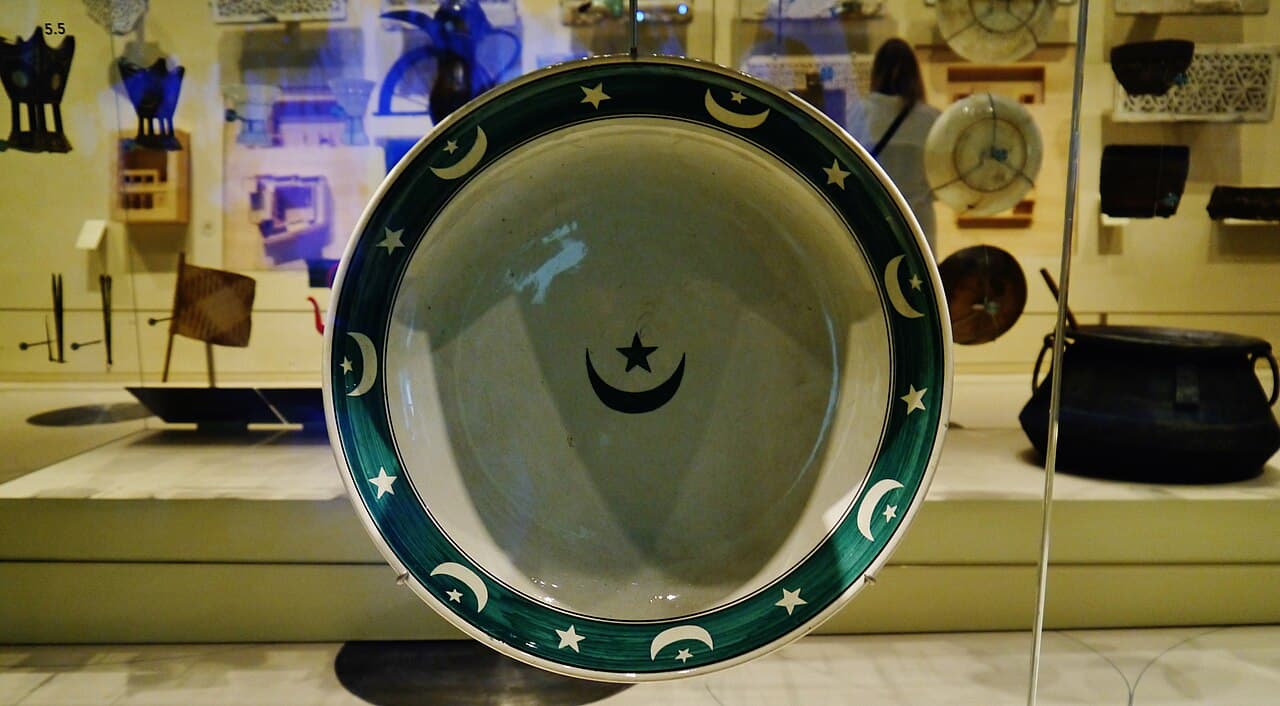
A productive visit chooses a material or movement. Follow ceramics and glass, manuscript making, scientific instruments, courtly objects or maritime exchange. This reduces the temptation to glance at every case. The Indian Ocean galleries are particularly relevant to Doha's seaward setting, while MIA Park and the bay provide a spatial pause after concentrated looking.
Sources: Museum of Islamic Art04
Choose Mathaf for modern debate
Mathaf is the right choice when modernity, identity and politics are central to your interests. Its collection galleries bring together artists from the Arab world, the Middle East and regions historically connected to Qatar and the Arabian Peninsula. The museum frames art through multiple modernities rather than treating European art history as the only timeline.
Themes include colonial struggle, nation states, post-independence reconstruction, oil, new cities, ecology, gender and changing visual languages. Read the curatorial text before deciding whether an unfamiliar work is merely decorative. Because rotations and gallery availability change, check the current exhibitions and gallery notice rather than planning around a work named in an old review.
Sources: Mathaf: Arab Museum of Modern Art05
Choose 3-2-1 for sport as culture
3-2-1 Qatar Olympic and Sports Museum works for visitors who want history with a participatory finish. Seven gallery spaces cover global sports history, the Olympics, athletes, Qatar as a host nation, Qatari sports culture and an Activation Zone. The subject is broader than football memorabilia, and the displays combine objects, audiovisual interpretation and interactive elements.
Families can split the visit into a story section and an activity section. Adults interested in Qatar's recent urban transformation may focus on the hosting and national-sports galleries; younger visitors may respond to athlete stories and the Activation Zone. Check current participation and ticket arrangements rather than promising that every interactive element will operate.
Sources: 3-2-1 Qatar Olympic and Sports Museum06
Pair for contrast, not coverage
The most coherent central pairing is NMoQ and MIA: one is Qatar-specific, the other follows artistic traditions and exchange across a much wider geography. Even then, choose which museum receives the longer block. Mathaf and 3-2-1 sit away from the waterfront pair and deserve plans built around their own locations, not a rushed cross-city finale.
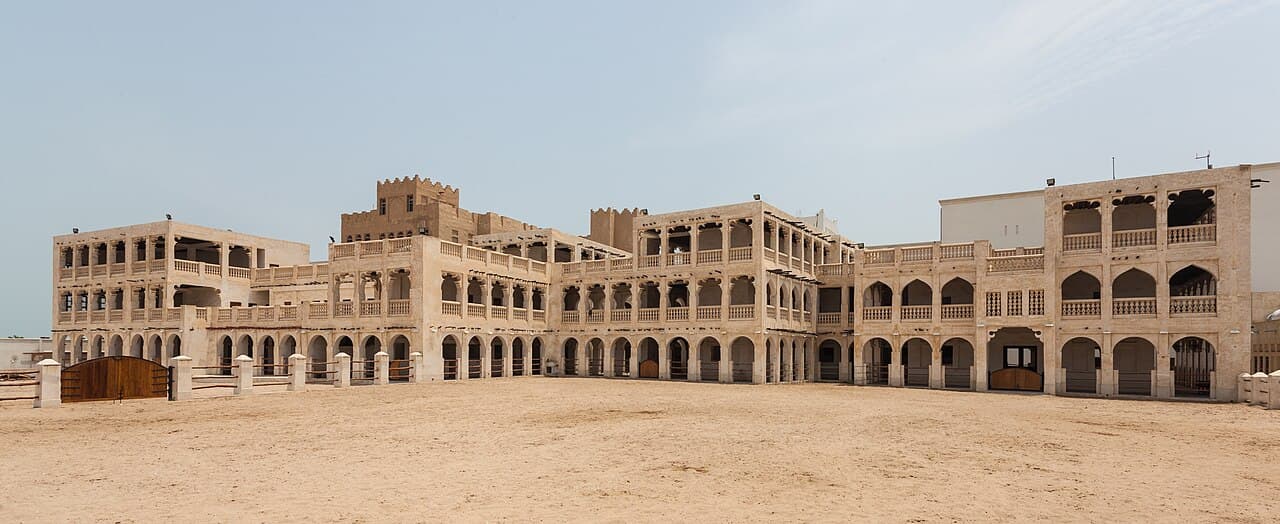
A second museum should answer a different question without erasing the first. NMoQ plus Msheireb repeats national and urban history with a useful change of scale, while MIA plus public art can continue a visual theme outdoors. By contrast, adding Mathaf simply because it is another museum may produce more travel than understanding.
- NMoQ plus MIA: national story against transregional art history.
- Mathaf plus Education City: modern art within a learning campus.
- 3-2-1 plus an outdoor stop: concentrated galleries followed by movement.
07
Verify the visit in three layers
Check three separate things: whether the museum is open, whether the gallery or exhibition you want is available, and whether booking is required for your visitor category. Qatar Museums publishes central planning information, while each museum maintains its own programme and gallery pages. A general opening page cannot guarantee that one room or interactive feature is operating.
Then choose a stopping rule. Leave after the anchor thread and one unplanned discovery, not after your attention has collapsed. Note one object, one interpretive idea and one question to carry outside. That small record turns a museum day into part of the Doha trip rather than an isolated period in air conditioning.
- Confirm the institution's status and visitor information.
- Confirm the named gallery or temporary exhibition separately.
- Reserve only through the current official booking path.
Useful answers
Reader questions
Which Doha museum is best for understanding Qatar?
The National Museum of Qatar is the clearest first choice because its immersive galleries connect the country's environment, heritage, historic palace and modern transformation. Choose a thread and follow it rather than trying to absorb every display.
Sources: Visit QatarIs the Museum of Islamic Art mainly about Qatar?
No. Its eighteen galleries examine Islamic art across broad themes, periods and regions, including learning, science, empires, manuscripts and trade. It complements a Qatar-specific museum rather than repeating one.
Sources: Museum of Islamic ArtWhat makes Mathaf different from MIA?
Mathaf centres modern and contemporary art connected to the Arab world and explores subjects such as colonialism, nationhood, cities and social change. MIA covers much longer histories of Islamic art and craftsmanship across a wider geography.
Sources: Mathaf: Arab Museum of Modern Art; Museum of Islamic ArtWhere should sports fans go?
3-2-1 Qatar Olympic and Sports Museum has seven gallery spaces covering global sport, the Olympics, athletes, Qatar's sports culture and an Activation Zone. Check its current visitor page before relying on a particular interactive experience.
Sources: 3-2-1 Qatar Olympic and Sports MuseumRead the evidence
Sources and further reading
These sources support the relevant sections above. Plans and comparisons are editorial suggestions. Check operators for current arrangements.
- Our Museums and Galleries - Qatar Museums ↗Qatar Museums · Accessed 14 September 2026
The distinct remits of NMoQ, MIA, Mathaf and 3-2-1 within the Qatar Museums network.
- Plan Your Visit - Qatar Museums ↗Qatar Museums · Accessed 14 September 2026
Current central planning, ticketing and visitor-information links for Qatar Museums venues.
- National Museum of Qatar (NMoQ) | Visit Qatar ↗Visit Qatar · Accessed 14 September 2026
NMoQ's desert-rose design, historic palace and Qatar-focused immersive narrative.
- About the Galleries - Museum of Islamic Art ↗Museum of Islamic Art · Accessed 14 September 2026
MIA's eighteen-gallery structure, geographic and thematic organisation, and collection subjects.
- About the Galleries - Mathaf ↗Mathaf: Arab Museum of Modern Art · Accessed 14 September 2026
Mathaf's collection scope and its themes of modernity, politics, society and changing visual languages.
- About the Galleries - 321 Sports Museum ↗3-2-1 Qatar Olympic and Sports Museum · Accessed 14 September 2026
The museum's seven spaces, global and Qatari sports narratives, and Activation Zone.