Choose a direction before you leave
A south-to-north route—Corniche first, then Katara and The Pearl—usually gives the clearest narrative and a natural evening finish.
Start by deciding what you want the day to feel like. For skyline photographs and a broad sense of central Doha, begin on the Corniche. For exhibitions, performances or a beachside pause, let Katara take the largest share of time. For marina walks, cafés and people-watching, reserve the final hours for The Pearl. Naming one priority prevents the common mistake of treating all three as short photo stops.
This is a route of neighbourhoods rather than a continuous attraction corridor. Use current Doha Metro information, a licensed taxi or another appropriate local transport option between major stops, then walk within each area. That approach is more realistic than forcing a long road-side walk between districts. It also leaves room for weather and for an exhibition, prayer-time pause or meal that deserves more than a hurried glance.
- Build your plan around one anchor activity and keep the other stops flexible.
- Check official event listings and transport updates close to your visit.
Read the Corniche before photographing it
The Corniche is most rewarding when you use its views to understand Doha Bay, not just to collect a skyline image.
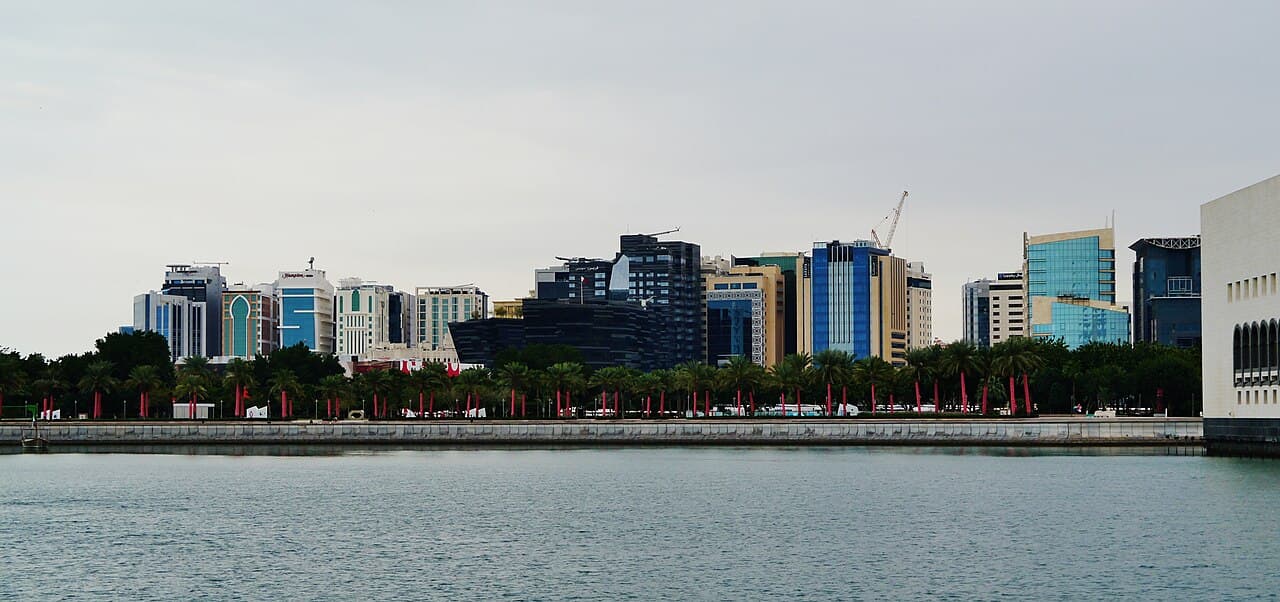
The seven-kilometre promenade curves around Doha Bay, putting water, dhows, civic landmarks and West Bay’s towers in a single frame. Start near a point that suits your time—MIA Park is useful for a cultural route—and walk enough to see the perspective shift. The changing relationship between harbour, park and high-rise district gives the promenade its character.
Keep the experience observational. Dhow boats, families walking and people exercising share the waterfront, so give others space and do not block paths for photos. A short waterfront walk can be more memorable than racing from one monument to the next. If the heat or wind makes the outing less pleasant, shorten it without guilt: the Corniche works in segments and will still provide the visual opening for the day.
- Use sun protection and choose a segment rather than assuming you must cover the full promenade.
- Ask before taking close photographs of people.
Let Katara set the cultural tempo
At Katara, slow down for architecture, public art, beachside space and the programme that happens to be on during your visit.
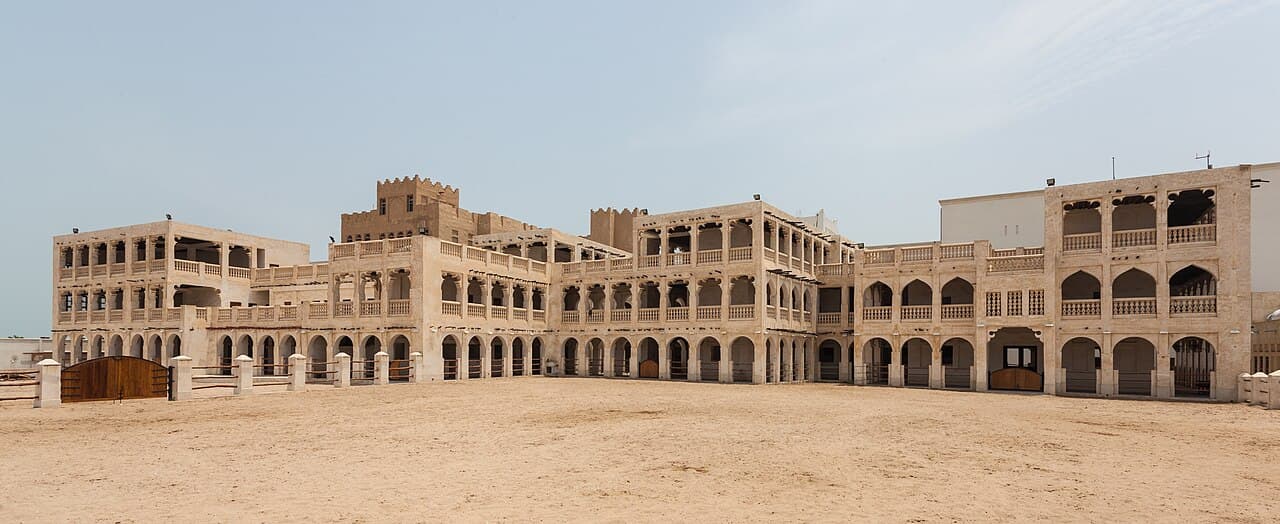
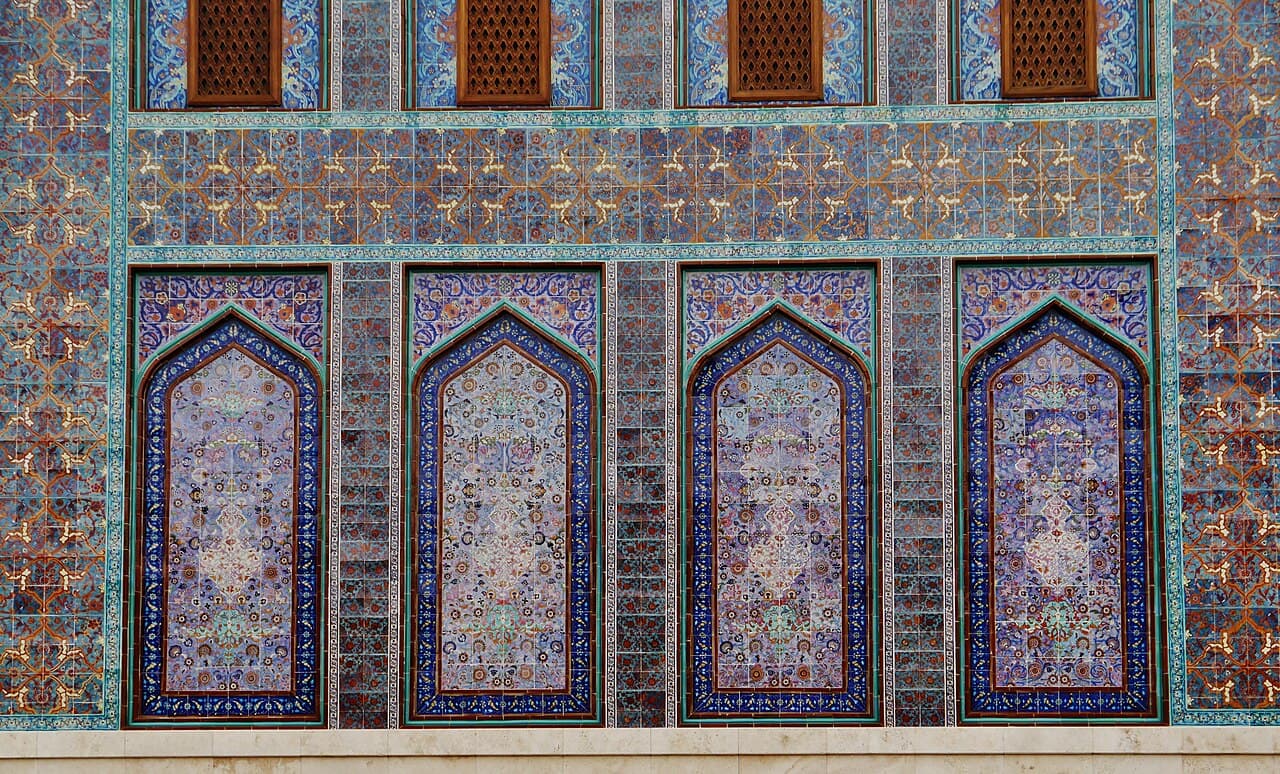
Katara Cultural Village is designed as a place for cultural activity rather than a single museum visit. Its lanes and courtyards connect galleries, performance spaces, restaurants, mosques and outdoor areas, allowing a visit to be shaped by what is open and what interests you. The architecture encourages looking up and around, but the strongest plan is not to assume that every venue or event will be available on a particular date.
Give yourself permission to be selective. A gallery, a public artwork, a meal and time near the water can be a complete visit. If there is a performance or festival you hope to attend, consult Katara’s official calendar first and plan transport around that commitment. Cultural spaces have their own rhythms, and showing up early for a confirmed programme is more useful than arriving with an overfull list.
- Review Katara’s official calendar for current exhibitions, performances and access guidance.
- Respect mosque boundaries and any venue-specific dress or photography instructions.
Use The Pearl as an evening neighbourhood
The Pearl is best treated as a place to stroll and pause, especially after the more structured cultural stop at Katara.
The Pearl-Qatar is a man-made island near West Bay, Katara and Lusail, known for yacht-lined marinas, residential towers, landscaped spaces and pedestrian-friendly squares. Its scale can feel diffuse if you arrive only to “see The Pearl.” Choose one pocket—such as a marina promenade or a plaza—and allow it to be enough. The appeal is the atmosphere of movement between water, architecture, shops and dining rather than a single landmark.
This is also a good point to notice Doha’s versions of waterfront life: the old harbour, the civic edge of the Corniche, Katara’s cultural shoreline and this newer residential marina. That comparison makes the route more than a sequence of attractive views. Keep reservations and dining expectations flexible, because individual venues and offerings change; the walk itself is the dependable part of the plan.
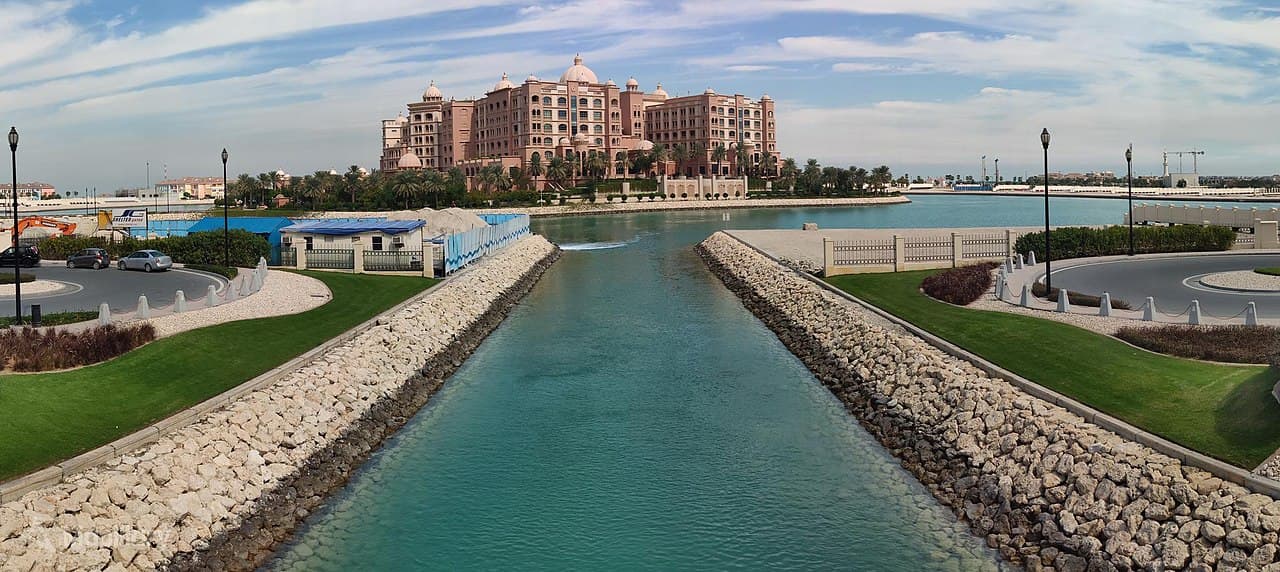
- Pick a specific marina or plaza before arrival to avoid unnecessary backtracking.
- Confirm restaurant reservations, parking and venue information directly with providers.
Make transport part of the itinerary
Use transport deliberately between districts and save walking for the promenades, lanes and plazas where it adds value.
Doha Metro can be an efficient part of a city plan, but the nearest station is not always the final doorstep for every attraction. Check current official transport information for the route, station and any feeder connection that fits your day; do not assume a map pin means a quick walk in all conditions. Taxis can be helpful for the longer jump between waterfront districts or when a group’s energy is running low.
Aim for a calm end rather than a rigid finish time. Leave a buffer for transfer and the possibility that you decide to stay longer at one stop. If you are travelling with children, older relatives or anyone sensitive to heat, build the day around shorter outdoor blocks and indoor rests. Good routing in Doha is less about maximising stops and more about protecting each stop’s distinct moments.
- Keep a charged phone, downloaded maps and the official transport planner available.
- Recheck last connections or collection arrangements before settling in for the evening.