Start at the National Museum of Qatar
Begin with the National Museum for a grounding in the place before you read the waterfront as scenery.
Jean Nouvel’s desert-rose-inspired building is itself an introduction to Qatar’s geography. Its interlocking discs surround the restored palace of Sheikh Abdullah bin Jassim Al Thani, connecting a former seat of government with a contemporary museum. The galleries move through natural environment, early settlement, pearling, trade and the country’s modern transformation, so even a selective visit gives context to the city outside.
Do not try to absorb every display at speed. Pick a thread that interests you—coastline, family history, design, or the pearling economy—and follow it. The museum’s use of sound, film and objects rewards unhurried attention. Before leaving, pause outside: the location near the Corniche makes the shift from indoor narrative to sea-facing Doha feel intentional rather than logistical.
- Check the museum’s official page for current entry arrangements and gallery notices.
- Carry water and build in a quiet pause before continuing along the waterfront.
Walk the Corniche as a connecting line
Use the Corniche to link the museums at a human pace, choosing a short stretch if the whole promenade is more than you need.
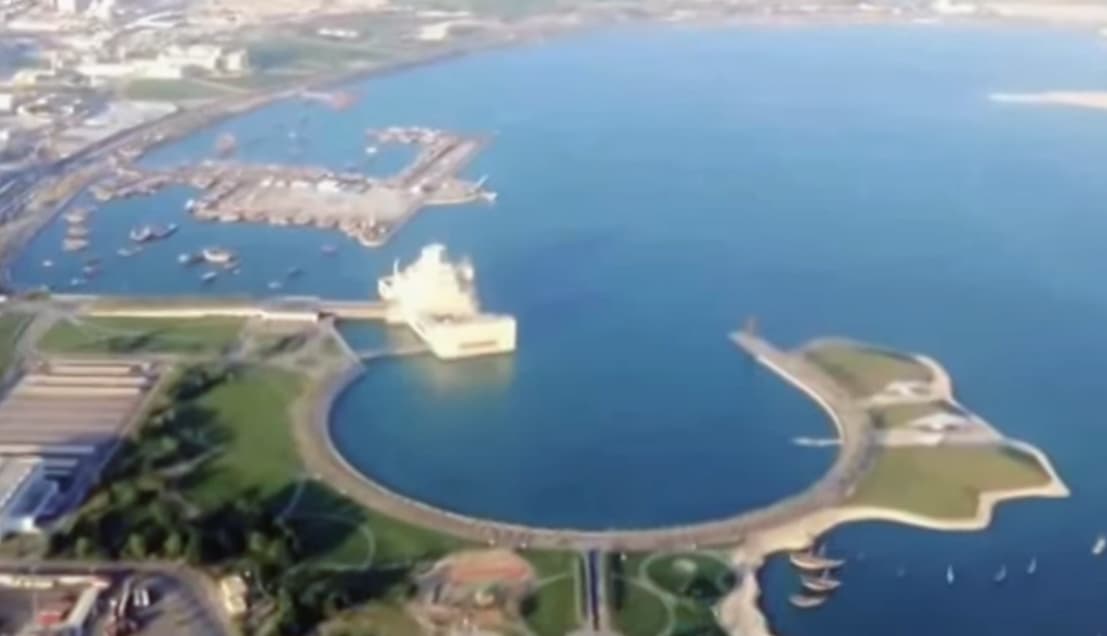
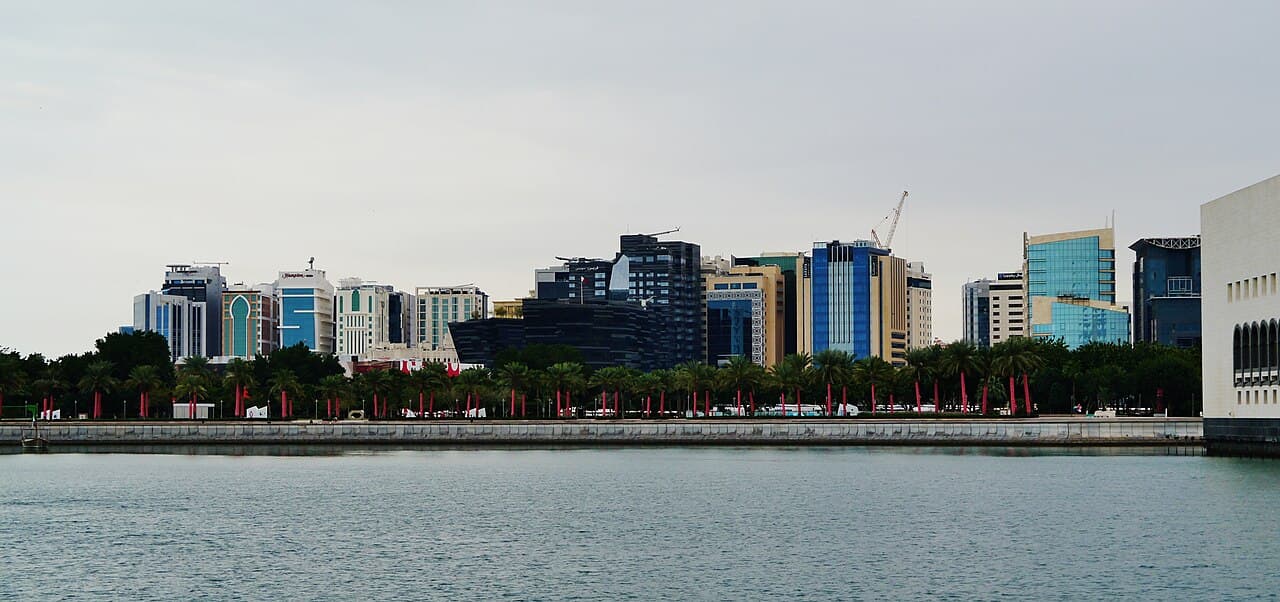
The crescent-shaped Corniche traces Doha Bay for about seven kilometres, with changing views of dhows, civic buildings and the West Bay skyline. It is not simply a scenic detour: it explains why the museums sit where they do. The water was central to fishing, pearling and trade, while the broad promenade now creates a shared public edge between older districts and the financial towers across the bay.
A useful middle section is the approach to MIA Park, where the city opens outward and the museum’s pale geometry comes into view. Let the route remain adjustable. Weather, energy and events can change how far walking feels sensible, and a taxi or metro connection can preserve time for the places that matter most to you. The goal is a coherent day, not a distance record.
- Favour shaded rest points and comfortable walking shoes.
- For a dhow cruise or event, confirm operator and venue details directly on the day.
Give the Museum of Islamic Art real time
Make MIA the reflective centre of the itinerary, with time for both the collection and its relationship to the bay.
Designed by I. M. Pei on a purpose-built island beside the Corniche, the Museum of Islamic Art presents art from across the Islamic world over many centuries. Manuscripts, ceramics, metalwork, textiles, glass and jewellery make the museum a conversation between regions rather than a single national display. The building’s framed views and careful light are part of the experience, so slow down between galleries instead of treating the architecture as a backdrop.
MIA Park extends the visit outdoors, with open lawns and a broad perspective towards the skyline. This is a good place to connect museum objects with the maritime setting: Doha’s harbour views are not an exhibition label, but they make the city’s long relationship with travel and exchange easier to imagine. Check current exhibitions before visiting; temporary shows can offer a useful reason to alter your route.
- Choose a few galleries or objects to investigate rather than attempting exhaustive coverage.
- Use the official museum information for opening days, programmes and accessibility details.
Add Msheireb for the city’s social history
Continue to Msheireb when you want heritage interpreted through homes, work and everyday urban life.
Msheireb Museums occupy four restored heritage houses in the old commercial heart of Doha: Bin Jelmood House, Company House, Radwani House and Mohammed Bin Jassim House. Together they address subjects that a waterfront route only hints at, including family life, economic change, oil-industry history and the difficult histories of slavery. Their courtyard scale makes a valuable counterpoint to the monumental museum architecture by the bay.
The surrounding downtown is useful for orienting yourself between historic lanes and present-day city planning. Rather than treating it as a shopping stop, notice thresholds, shaded passages and public squares. It also makes a practical bridge to Souq Waqif. If you are using the Metro, plan the connection with the official network tools and allow for walking between station exits and the particular museum entrance you need.
- Read exhibition framing with care; the museums address complex subjects, not just nostalgia.
- Confirm museum and transport information before setting a tight timetable.
Finish in Souq Waqif with curiosity
End near Souq Waqif for an evening atmosphere that is livelier than a museum but still rooted in Doha’s trading culture.
Souq Waqif is best approached as a working social district rather than a staged finale. Its lanes bring together shops, cafés, restaurants and specialist stalls, while the nearby Falcon Souq points to a continuing regional practice that deserves respectful observation. One day can hold both monumental cultural institutions and the smaller rhythms of purchasing, greeting and gathering.
Take time to wander without assuming every encounter needs to become a photograph or transaction. English is widely used in public places, but a courteous greeting and patience go a long way. If you bargain in traditional market settings, keep it good-humoured and accept a no gracefully. A relaxed meal or tea is often a better ending than trying to cover every lane before departure.
- Dress with public-space modesty in mind, especially when moving between cultural sites.
- Ask before photographing people, stalls or animals, and follow any posted rules.